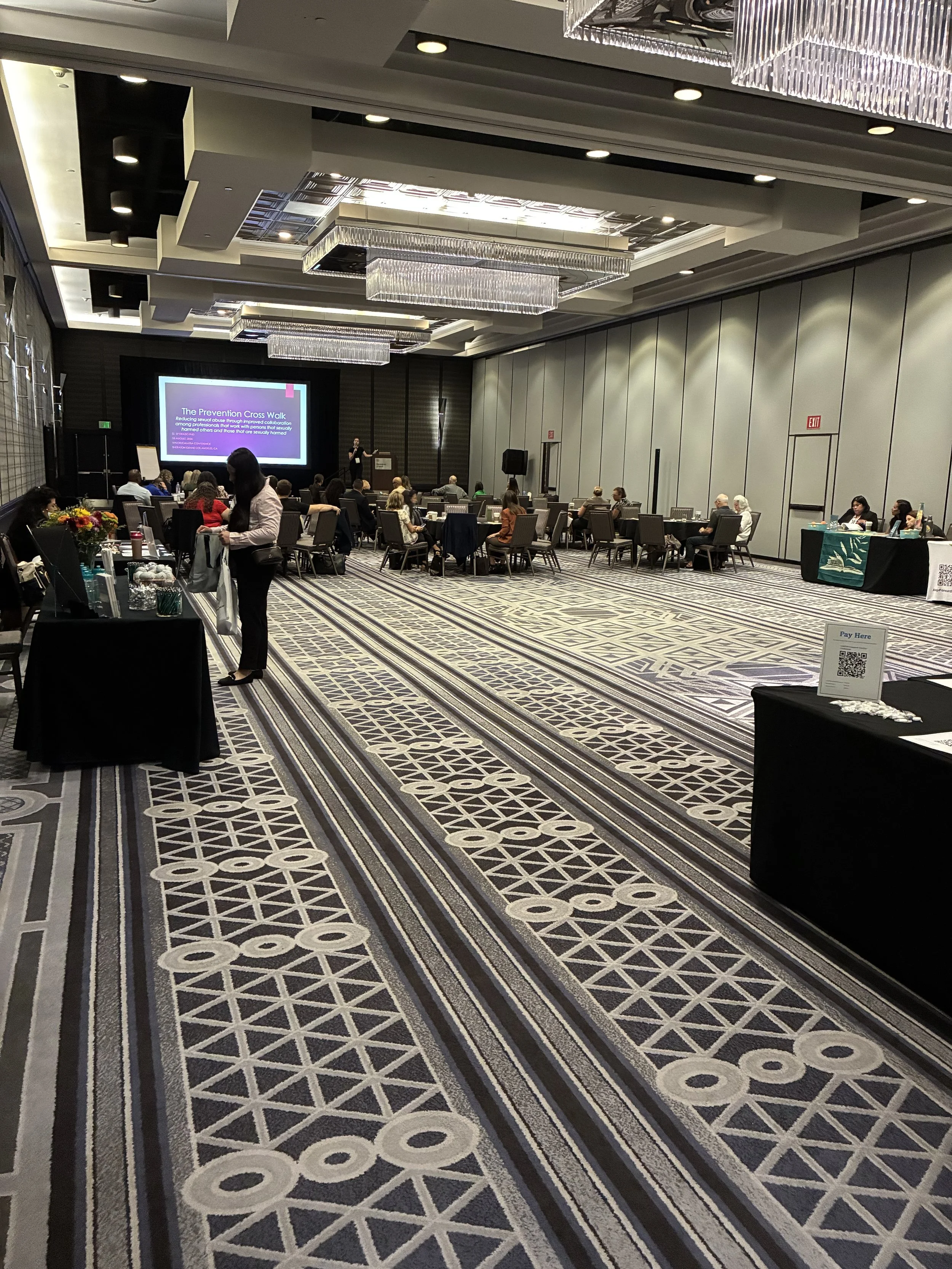
CalATSA Inaugural Training Conference

In collaboration with ValorUS

August 25th, 2026

Grand Sheraton Los Angeles, CA

CalATSA Conference Schedule Tuesday, August 25th, 2026

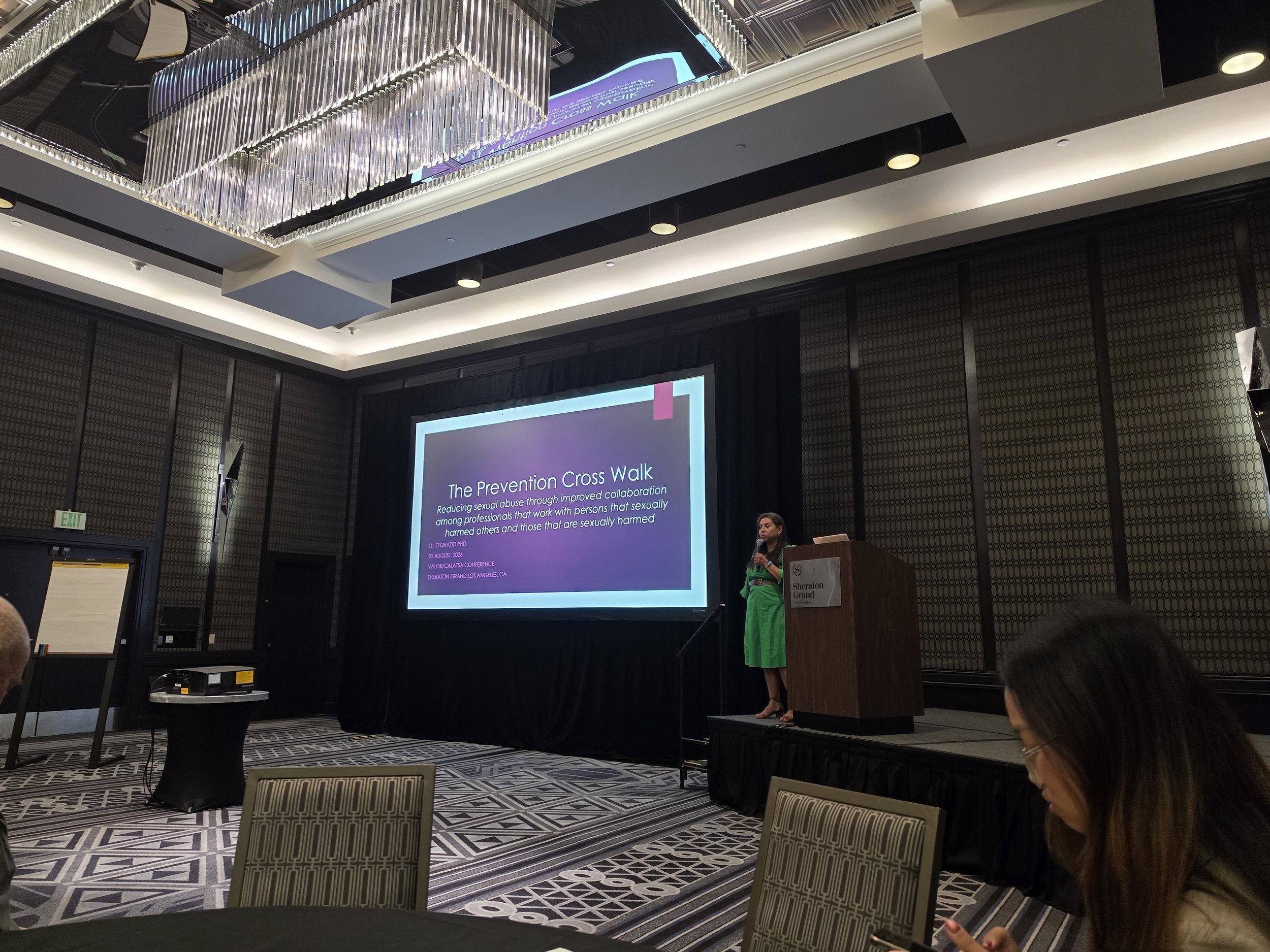
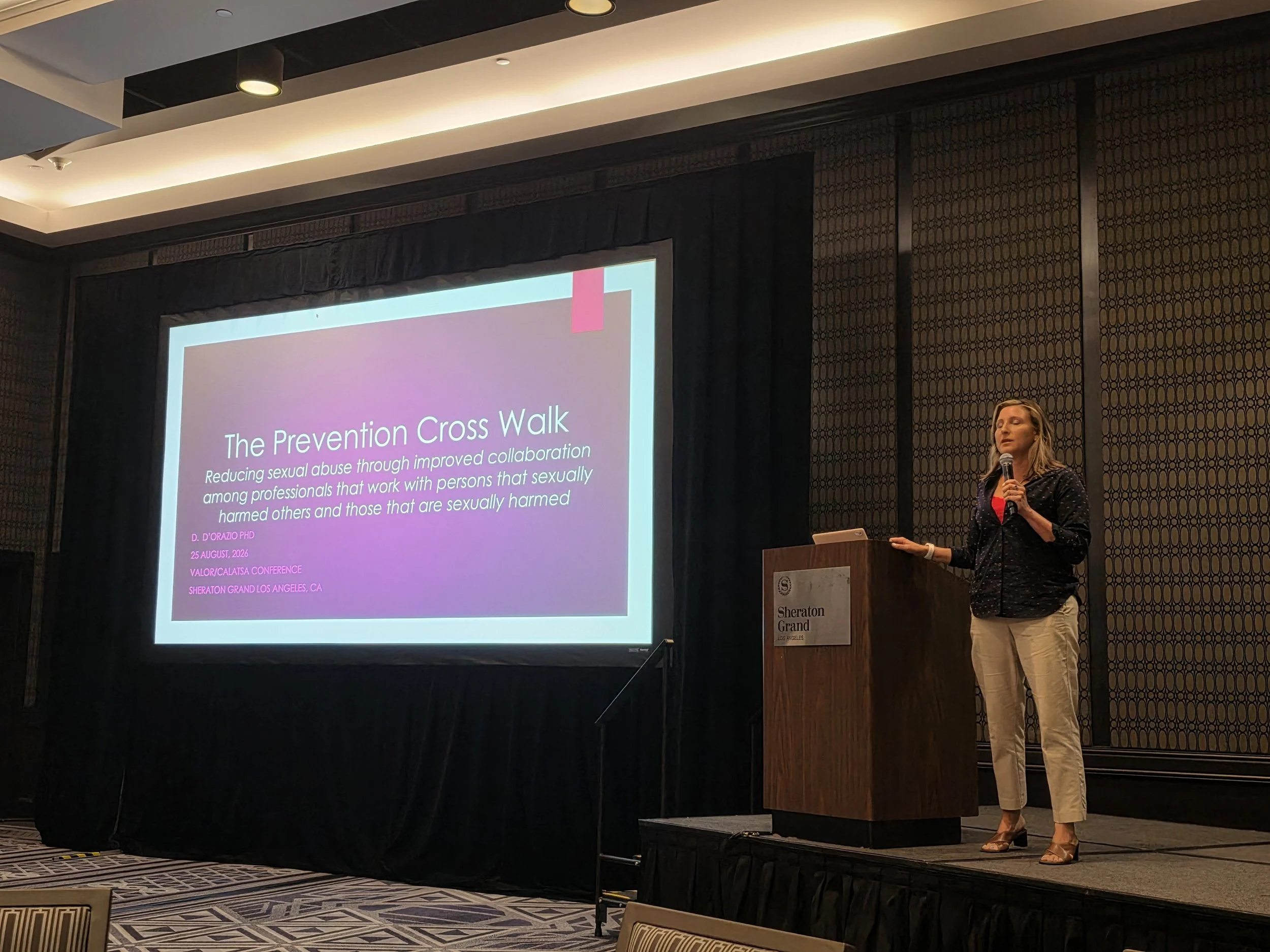
  • Presenter: Deirdre M. D’Orazio, PhD, President, CalATSA.

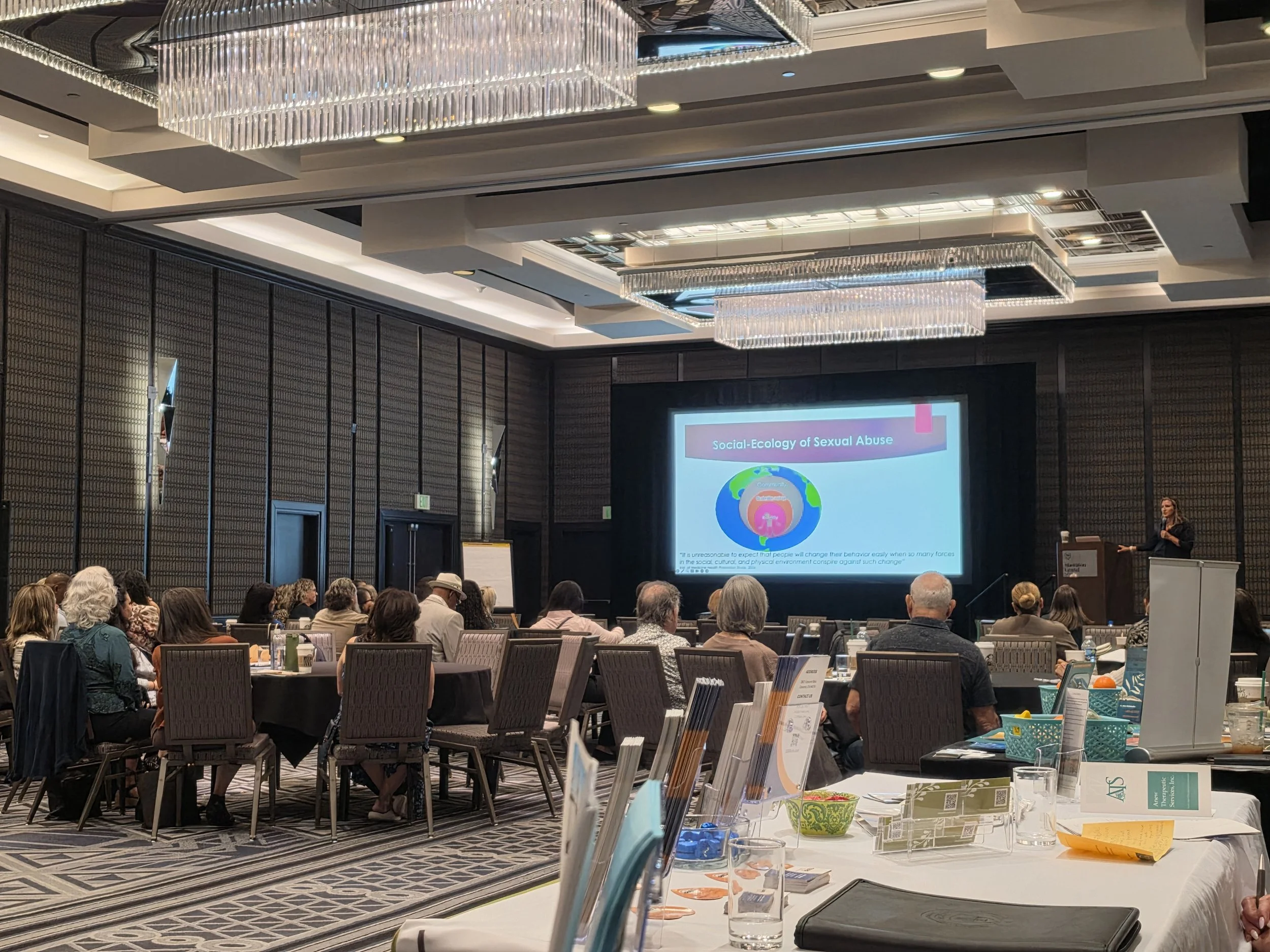
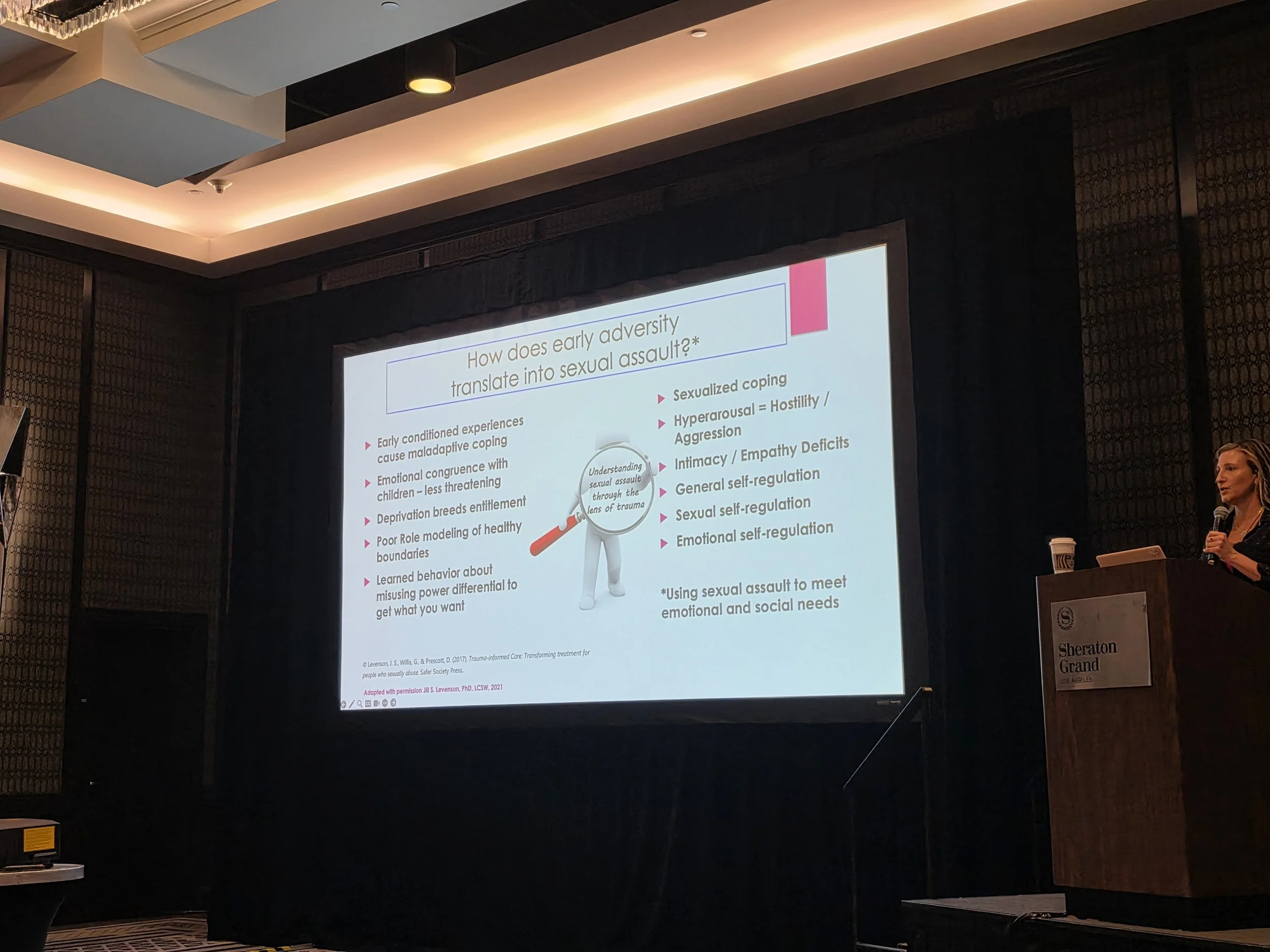
    When I started in the field of sexual abuse intervention more than 25 years ago, there was little research and much debate about whether treatment for sexual offending persons could be effective. There is now compelling research support for the efficacy of interventions with people that commit sexual abuse. When empirically derived principles are followed, interventions can effectively assist these persons in desisting from further abusive behavior and creating socially acceptable and personally fulfilling lives. Yet, there remains MUCH more work to be done to eradicate the public health problem of sexual abuse.  The purpose of this talk is to cultivate collaboration among those who work with survivors and those who work with perpetrators of sexual abuse. Together, these “interventionists” can work across the prevention continuum in ways that create healing and long-term positive outcomes toward our shared goal of ending sexual abuse.

    Goals/ Objective:

    1. Participants will learn multiple ways to improve collaboration between “interventionists,” -those that work with survivors and those that work with perpetrators of sexual abuse.

    2. Participants will learn multiple evidence-based outcomes supporting the efficacy of interventions with those that perpetrate sex crimes.

    3. Participants will learn the essential features of effective programming for persons with sexual offenses

    4. Participants will learn the prevention continuum and multiple opportunities for collaboration among interventionists

    5. Participants will learn the application of quaternary prevention & therapeutic jurisprudence

    Dr. Deirdre D'Orazio is a clinical and forensic psychologist in state service and private practice. She is employed by the California Department of State Hospitals where she has held positions over the past twenty-four years servicing forensically committed individuals, including Director of the sexual offense treatment program and program evaluation services, civil commitment evaluator, and currently as Assistant Chief Psychologist with the SVP Conditional Release Program.  She is president of the California Association for Treatment and Prevention of Sexual Abuse (CalATSA) and sits on the leadership boards for the California Sex Offender Management Board and the Sexual Offense Civil Commitment Network. She served on the board of directors of the ATSA, the California Juvenile Justice Advisory Board, and the CA Coalition on Sexual Offending (CCOSO). Dr. D’Orazio is a recipient of the Fay Honey Knopp award by the CCOSO for positive and sustained contributions to the field of sexual offense intervention. She is an ATSA fellow. Dr. D'Orazio has publications, professional trainings, media interviews, and research in the areas of sexual offense risk assessment, paraphilic disorders, sexual abuse disclosures, abuse prevention, best practices in sexual offense specific treatment, professional ethics, and supervision.  Dr. D’Orazio has provided program evaluation and consultancy internationally and evaluations, expert witness testimony, and direct treatment services for more than 2,000 individuals that have perpetrated or been harmed by violent or sexual crimes. She holds psychologist licenses in California, Minnesota, Washington and North Dakota. She is a certified trainer for multiple risk assessment tools.


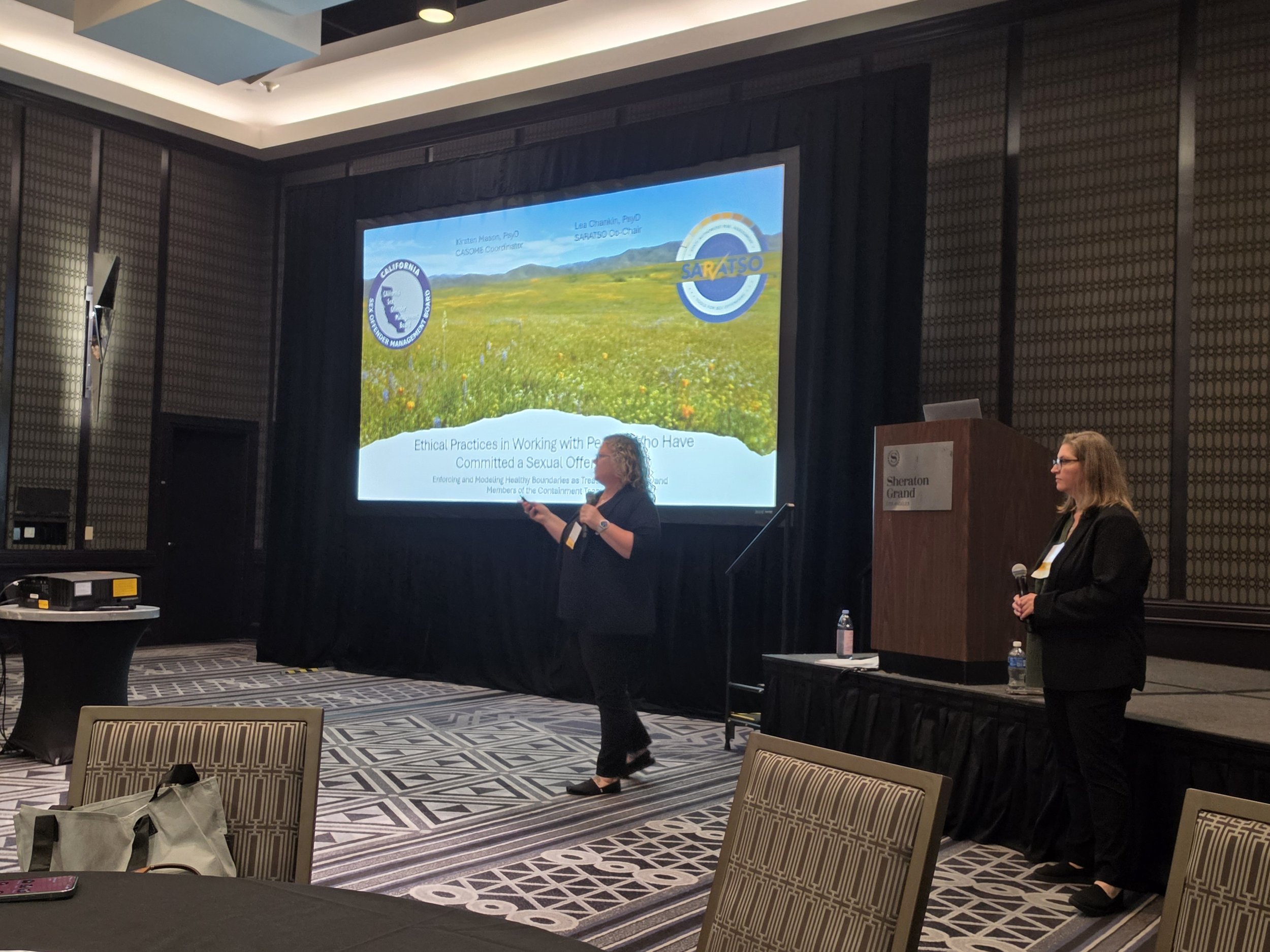
  • Presenters: Lea Chankin, PsyD, Co-Chair of the SARATSO Committee & Kirsten Mason, PsyD, Board Coordinator of the CASOMB

    We will examine ethical practices in the treatment and supervision of adults who have committed sexual offenses within California’s evidence-based Containment Model framework. Grounded in guidance from the California Sex Offender Management Board (CASOMB) and the State Authorized Risk Assessment Tools for Sex Offenders (SARATSO) and related research, the session highlights how effective management relies on a collaborative, multidisciplinary “Containment Team” that integrates supervision, treatment, polygraph monitoring, and victim advocacy to enhance community safety and reduce recidivism.

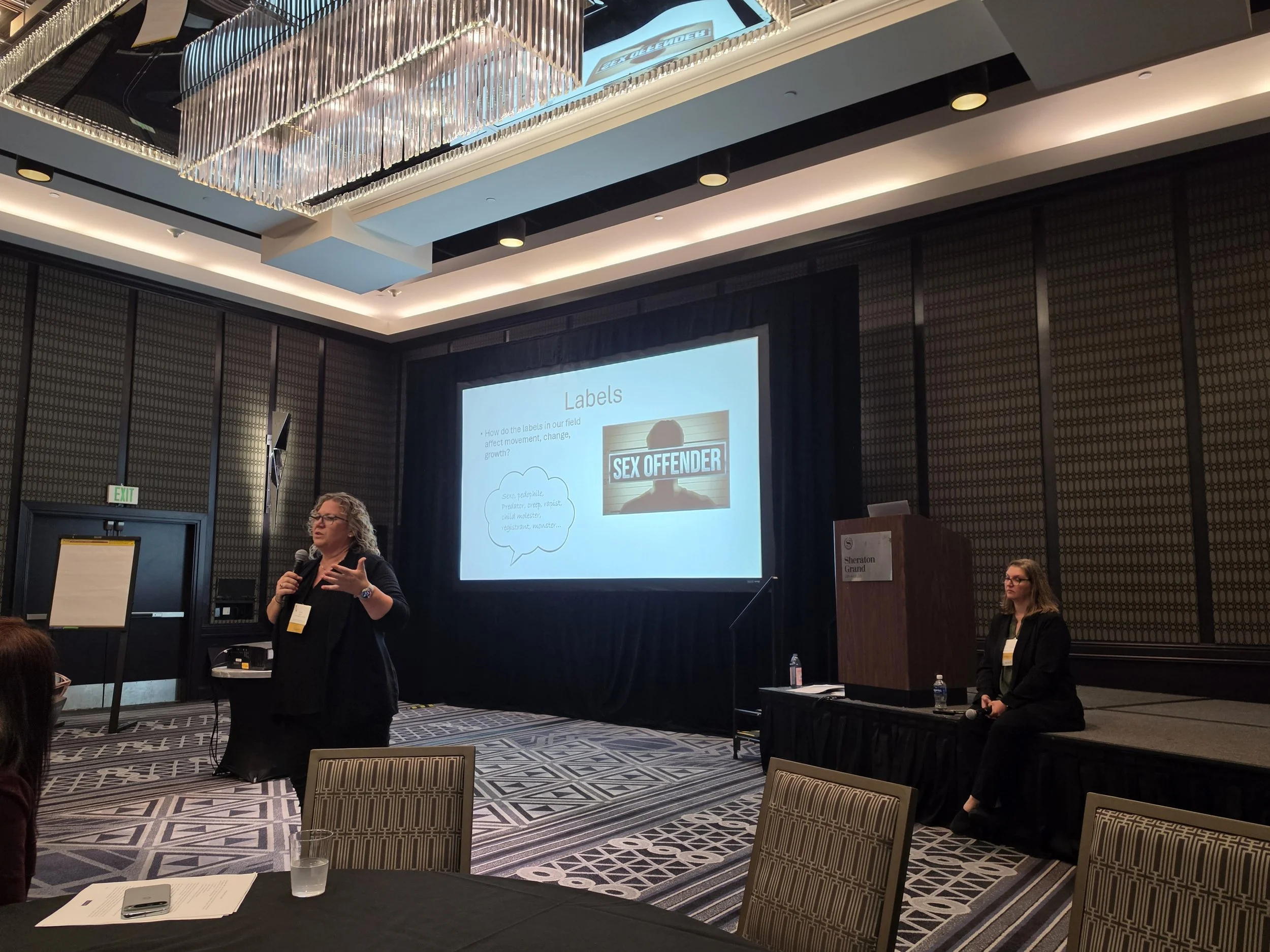
    Focusing on the role of treatment providers, the presentation explores how enforcing and modeling clear, consistent, and therapeutically appropriate boundaries is central to ethical practice and risk management. Participants will examine how provider boundaries intersect with accountability, transparency, and communication across team members, and how these practices support dynamic risk assessment, offender responsibility, and prosocial skill development. Emphasis will be placed on balancing care and control, maintaining professional integrity, and aligning clinical decision-making with evidence-based principles such as collaboration, structured supervision, and risk-need-responsivity.

    Attendees will leave with practical strategies for maintaining ethical boundaries within complex systems, strengthening team coordination, and promoting both client change and public safety through consistent, values-driven practice.

    During her 25-year career, Dr. Lea Chankin has applied her expertise to provide sex offender risk assessment and treatment. She has supervised and mentored students, interns and those new to the field. She’s also advised on legislative and policy issues.

    Chankin joined CDCR as a consulting psychologist for the California Sex Offender Management Board. She later became the board’s coordinator. She is also co-chair of the State Authorized Risk Assessment Tools for Sex Offenders committee.

    Dr. Chankin began her career working with juveniles who committed sexual offenses. She then provided treatment in an inpatient program for sexual violent persons in Illinois. After, she moved to California to serve as director of a community-based treatment program for individuals who have committed a sexual offense. Chankin also started her own agency, providing treatment and evaluation to this population, before joining CDCR.

    She was chair of the Los Angeles chapter of California Coalition on Sexual Offending for several years. In 2017, she was elected chair for the statewide organization.

    “In all of these roles, I actively strive to provide the highest quality and ethical services. I have provided mentorship and ongoing training, and encourage cutting-edge and best practices,” said Dr. Chankin.

    Dr. Kirsten Mason is a Clinical Psychologist and the Board Coordinator for the CA Sex Offender Management Board.  Dr. Mason is trained as a clinical forensic psychologist who has experience working with adolescents, young adults, and their families who are justice-involved. Dr. Mason provides evidence-based interventions, assessments, and court-mandated treatment for a variety of clinical issues. She is certified as an independent practitioner through the CA Sex Offender Management Board (CASOMB) and is trained in the state-authorized risk assessment tools used for evaluating sex offenders (SARATSO). She has experience working within correctional settings and with probation in the community with the combined goal of reducing recidivism and increasing safety for the justice-involved youth/young adults and the people that surround them. She has worked in early intervention settings where the main goals were increasing strengths/protective factors and identifying and reducing risk factors that are beginning to lead to or could lead to a criminal or disruptive lifestyle.       

  • Attendees will have a 75 minute Lunch Break to explore the many dining options surrounding the DTLA Sheraton.

  • Presenter: Andrew Tamanaha, PhD

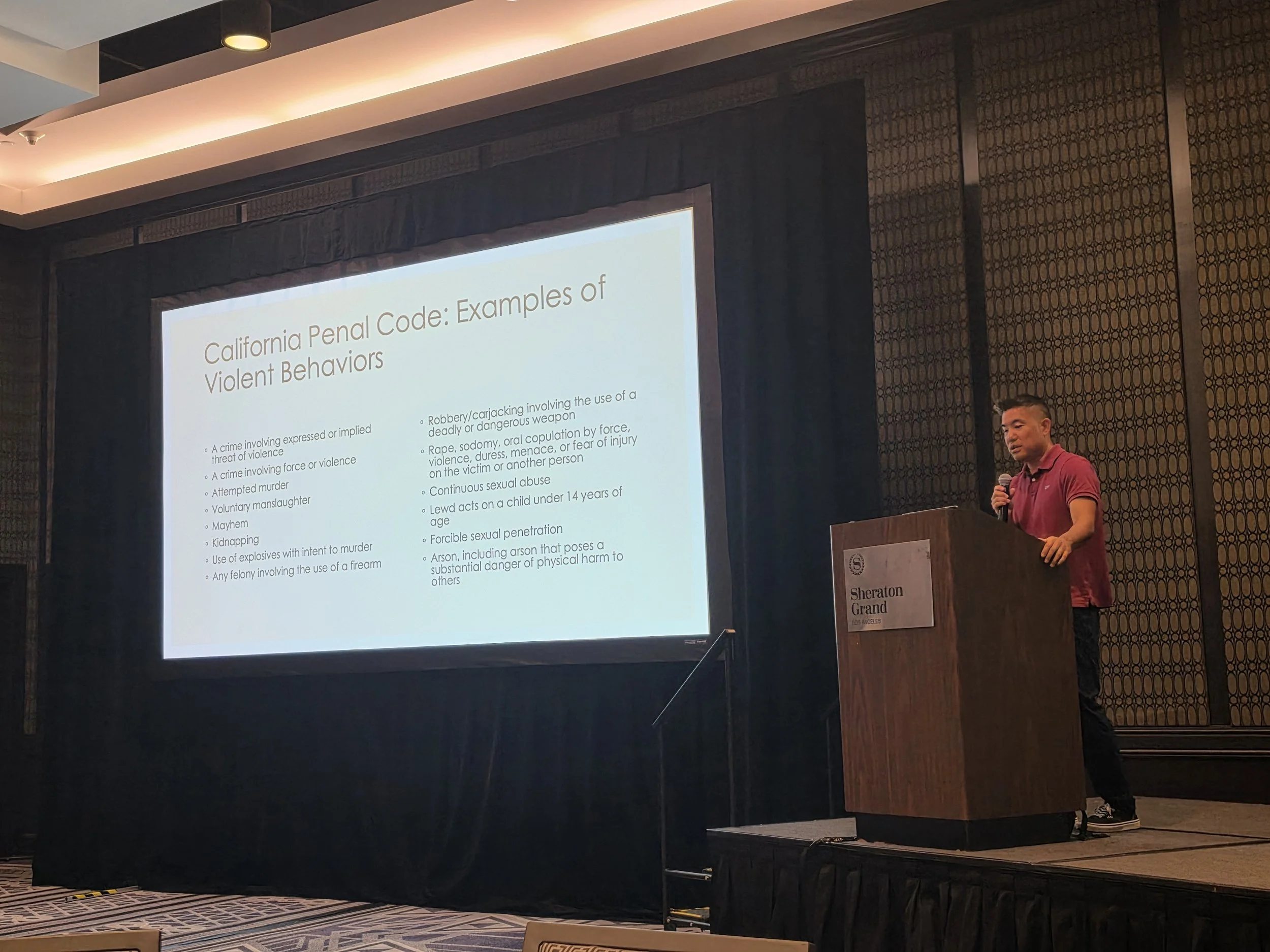
    As forensic mental health practitioners, we can be asked to provide opinions regarding the likelihood of future behaviors taking place in light of an individual’s past behaviors. The opinions provided are typically answers to questions posed by the Court and may impact treatment protocols, individual liberties, and community safety concerns.

    Participants in this seminar will be provided with: 1) an overview of various types of risk assessment, 2) considerations for conducting risk assessments for those individuals who have engaged in sexual misconduct, and 3) ways to communicate results in litigious situations. 

    Dr. Andrew Tamanaha has worked for the Department of State Hospitals (DSH) since completing his degree from the Palo Alto University in 2005. From 2006-2016 he provided sex offender treatment to individuals who were court committed to Patton State Hospital and who also had a variety of severe mental health challenges. He was also involved in the pre-doctoral and post-doctoral psychology training program and instructed on sex offender treatment, sex offender risk assessment, and diagnostic clarification. In 2016 he transferred to DSH-Sacramento where he continues to conduct sexually violent predator evaluations. He served on the executive board of the California Coalition of Sexual Offending (CCOSO) and CalATSA. He has provided trainings at the CCOSO annual training conference and local chapter meetings.

  • Our 1 Day Inaugural Conference comes to a close, offering our attendees an opportunity to visit our Sponsor Booths and network.

We have a 3-part registration process. Click on the button to the left and complete the form, you will then be directed to our Payment link (PayPal or Venmo), and once you have paid, you will receive the Hotel room Block information to get the Special Valor Rate on your room.

August 25th, 2026

CalATSA & Valor TRAINING CONFERENCE

Rooted & Reimagined

Grand Sheraton Los Angeles, CA

CalATSA is partnering with ValorUS to host a one-day training session at ValorUS's statewide conference.

We will be offering Continuing Education units from Psychological Assessment, Inc. (PAI) is approved by the American Psychological Association to sponsor continuing education for psychologists. PAI maintains responsibility for this program and its content. They can be contacted by phone at: 1-888-524-5122 or through at the following mailing address: 15501 San Pablo Ave.  G-317, Richmond, CA 94806.